




















Publié : 13 January 2026
Actualisé : 2 weeks ago
Fiabilité : ✓ Sources vérifiées
Je mets à jour cet article dès que de nouvelles informations sont disponibles.
📋 Table of Contents
✨ Sora: The Spielberg of your catalog
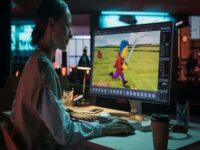
Sora is like giving your product catalog a Hollywood special effects budget. The AI can generate one-minute videos from a simple text description. No more dull photos, make way for spectacular staging! Take the example of a watch brand. Instead of settling for a shot on a white background, it could create a video where the timepiece is put to the test in extreme conditions: underwater diving, mountain climbing, desert crossing. All without leaving the office. Or, imagine a home decor store. Instead of simple photos of furniture, it could offer virtual tours of entire rooms, created from scratch by Sora. The customer projects themselves, the desire to buy grows.
Clearly, it’s a game changer.
💰 A profitable investment?
Enthusiasm is palpable, but the question of cost arises. Creating professional-quality videos takes time and money. Could Sora democratize access to impactful visuals for small and medium-sized businesses? On the one hand, AI significantly reduces production costs. No need to rent a studio, hire actors, or call on a film crew. A simple description is enough. On the other hand, using Sora remains expensive. OpenAI has not yet unveiled its prices, but access to AI will likely be in the form of a subscription or credits. Small businesses will therefore have to arbitrate between the cost of AI and that of traditional methods.
⚠️ The devil is in the details
Before hailing it as a miracle, it is worth highlighting Sora’s current limitations. AI still struggles to simulate the complex physics of the real world. Interactions between objects, lighting effects, and fluid movements remain imperfect. Another sensitive point: narrative consistency. Sora can generate impressive scenes, but struggles to build a coherent story over time. The videos produced often remain successions of shots without a real common thread. Finally, the issue of copyright arises. If Sora draws inspiration from existing content to create its videos, who owns the rights to these creations? OpenAI will have to clarify this point to avoid potential lawsuits.
🤔 Will AI steal the job of creatives?
That is the question. Will Sora replace photographers, videographers, and artistic directors? The answer is probably no, at least not completely. AI is a tool, not a substitute. It can automate certain tasks, speed up the creative process, but it cannot replace human creativity, artistic sense, or the ability to tell a story. On the contrary, Sora could open up new perspectives for creatives. By allowing them to focus on design, storytelling, and artistic direction, AI could unleash their potential and help them create even more innovative content.
It’s a bit like the transition from film photography to digital photography. At first, some photographers cried out for the death of their profession. Ultimately, digital photography democratized access to photography and allowed new talents to emerge.
🚀 Sora: The future of e-commerce?
It is still too early to tell. But one thing is certain: Sora has the potential to transform the way products are presented online. By making product listings more immersive, engaging, and emotional, AI could boost sales and build customer loyalty. Imagine a future where each product has its own trailer, where each brand has its own virtual film studio. A future where e-commerce becomes a sensory and emotional experience. And you, ready to write the script for your next e-commerce blockbuster?
❔ Frequently Asked Questions
Is Sora really the miracle solution to boost my online sales?

About the author: Fascinated by the technologies of tomorrow, I'm Mickaël Rigaud, your guide to the world of Artificial Intelligence. On my website, iactualite.info, I decipher the innovations shaping our future. Join me to explore the latest AI trends!


0 Comments