

📋 Table of Contents
- ChatGPT medical coach: how does it work?
- Confidentiality: the crux of the matter
- AI in the service of health: immense potential
- ChatGPT doctor: a reality soon?
- What’s next? Challenges to be met
ChatGPT medical coach: how does it work?
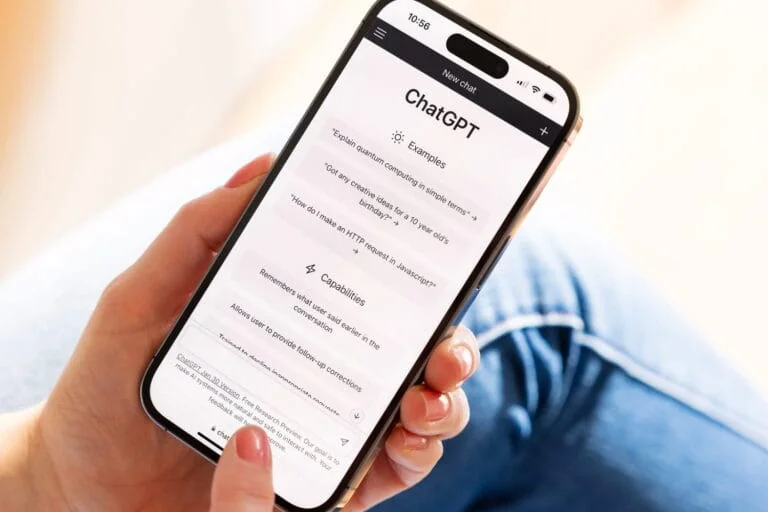
The new ChatGPT Health feature is presented as an ally to better understand your well-being. By uploading your medical documents (test results, hospital reports, etc.), the AI is supposed to provide clear and personalized explanations, acting as an AI healthcare interpreter. No more deciphering technical terms or spending hours on Google: ChatGPT offers expert medical interpretation. The objective is simple: to make information accessible to everyone. Imagine: you receive your blood test results with abnormal values. Instead of panicking, you submit them to ChatGPT, which explains in simple terms what this means and what the next steps should be. It’s like having a personal doctor available 24/7.
Confidentiality: the crux of the matter
And this is where the shoe pinches. The question of the confidentiality of health data is crucial. OpenAI assures that the information uploaded is not used to train the AI and that it is stored securely. But is this enough to reassure? Zero risk does not exist. We have seen it with the multiple data leaks that have affected companies in the healthcare sector. So, should we really trust an AI to manage our most sensitive information?
On the one hand, the idea of an intelligent AI medical assistant is attractive. On the other hand, the prospect of seeing your health data exposed to risks of hacking or misuse, compromising health data security, is frightening. The trick is to find the right balance between innovation and robust protection.
AI in the service of health: immense potential
Beyond the questions of confidentiality, it is undeniable that AI has immense potential in the field of health. We can imagine concrete applications to improve diagnosis, personalize treatments, or facilitate patient monitoring. Take the example of telemedicine: thanks to AI, it would be possible to carry out more efficient and precise remote consultations. AI could analyze symptoms, ask relevant questions, and even detect weak signals that escape the human eye. A valuable asset for rural areas or people with reduced mobility.
ChatGPT doctor: a reality soon?
Be careful, it is not a question of replacing doctors with robots. AI is a tool, not a substitute. It can help healthcare professionals make better decisions, but it cannot replace their expertise and empathy. It’s a bit like the GPS that guides you on the road: it shows you the way, but you are the one driving. AI can provide you with valuable information, but it is up to you to interpret it and use it wisely.
Can ChatGPT effectively replace a human doctor for medical advice?
While ChatGPT can offer valuable information and support, it is crucial to understand that it cannot effectively replace a human doctor. Doctors possess a depth of clinical experience, intuition, and the ability to conduct physical examinations, order and interpret diagnostic tests, and understand the nuances of a patient’s individual circumstances and emotional state. These are critical components of accurate diagnosis and effective treatment planning that AI currently cannot replicate. AI tools are designed to process vast amounts of data and identify patterns, making them excellent for providing general information, summarizing research, or even suggesting potential diagnoses based on symptoms. However, they lack the empathy, ethical judgment, and the holistic understanding of a patient’s well-being that a human physician provides. Relying solely on AI for medical advice could lead to misdiagnosis, delayed treatment, or a failure to address the complex psychosocial factors that often influence health outcomes.
What’s next? Challenges to be met
The arrival of ChatGPT in the field of health raises ethical and practical questions. How to guarantee the reliability of the information provided by the AI? How to avoid biases and discrimination? How to protect user data? So many challenges that will have to be met so that AI becomes a real health ally. And you, would you be ready to entrust your medical data to ChatGPT?

About Rigaud Mickaël
Passionate about tech and a Linux enthusiast, I decipher AI with a unique and intense vision to make it useful to all, between robots, rock and the geek universe.