
Copilot+
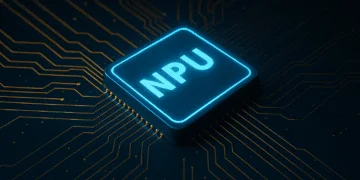
Explore Copilot+ PCs, the new generation of Windows computers built with dedicated NPUs for on-device AI. 🚀 This matters right now because they
Explore Copilot+ PCs, the new generation of Windows computers built with dedicated NPUs for on-device AI. 🚀 This matters right now because they
 IActualité - Au Quotidien
Promis, ces cookies ne sont pas générés par une IA pâtissière 👩🍳✨ Ils servent juste à améliorer votre navigation et nos analyses. Vous gardez le contrôle ! Politique de confidentialité
AI News – All the latest news on artificial intelligence useful in everyday life
Chez nous, l’accessibilité n’est pas une option, c’est une priorité absolue ! 🚀 On croit dur comme fer qu’un site web doit être intuitif, adaptable et ouvert à tous, peu importe vos capacités, votre matériel ou votre façon de naviguer. Alors, on s’est donné à fond pour créer une expérience qui respecte les standards les plus exigeants – et qui reste cool à utiliser ! 😎
👉 Notre mantra ? "Si c'est pas accessible, c'est pas fini."
Pour garantir un site vraiment inclusif, on suit à la lettre les Règles pour l'Accessibilité des Contenus Web (WCAG 2.1, niveau AA). Traduction :
👁️🗨️ Accessibilité visuelle : Contrastes optimaux, tailles de texte ajustables, descriptions d’images détaillées…
🎧 Navigation auditive : Compatibilité totale avec les lecteurs d’écran (JAWS, NVDA, VoiceOver, etc.).
⌨️ Contrôle au clavier : Tout est utilisable sans souris, avec des raccourcis malins.
🧠 Clarté cognitive : Structuration limpide, vocabulaire simple, alternatives aux animations.
Et ce n’est que le début ! On améliore le site tous les jours grâce à vos retours.
Notre intelligence artificielle veille en permanence pour :
📸 Décrire automatiquement les images via reconnaissance d’objets et OCR (extraction de texte dans les visuels).
🔄 Corriger le HTML pour les lecteurs d’écran, avec des balises ARIA ultra-précises.
🎯 Optimiser la navigation clavier : focus visible, sauts de section, raccourcis…
Dès votre arrivée, un menu vous propose des réglages sur mesure :
🔍 Zoom x1 à x400% sans casser la mise en page.
🌗 Thèmes contrastés (noir/blanc, daltonien, mode nuit).
⏸️ Bouton "Stop Animations" pour un surf zen.
🔊 Synthèse vocale intégrée pour écouter le contenu.
🚀 Activez le "Mode Lecteur" en tapant Alt+1 (un message vocal vous guide à l’arrivée).
🏷️ Descriptions enrichies : Toutes les images, icônes et boutons sont commentés.
📑 Structure logique : Titres hiérarchisés, liens explicites, formulaires simplifiés.
Tab / Shift+Tab : Naviguez entre les éléments.
⏩ Raccourcis Express :
H → Aller aux titres
M → Sauter aux menus
F → Accéder aux formulaires
S → Recherche instantanée
Esc : Annule/ferme les pop-ups.
On a créé des profils prédéfinis pour répondre à des besoins spécifiques :
| Mode | Emoji | Fonctionnalités |
|---|---|---|
| Malvoyants | 👁️ | Agrandissement texte, contrastes renforcés, curseur géant |
| Cécité | 🕶️ | Compatibilité lecteur d’écran, descriptions audio |
| Épilepsie Safe | 🔒 | Désactive flashes/animations, fond uni |
| Dyslexie | 📖 | Police OpenDyslexic, espacement accru |
| ADHD Friendly | ⚡ | Minimalisme, suppression des distractions |
| Mobilité Réduite | ⌨️ | Navigation clavier 100% fonctionnelle |
Choisissez parmi 50+ options pour adapter le site à VOS besoins :
🔠 Polices : 10 styles disponibles (dont dyslexie-friendly).
🎨 Couleurs : Palette personnalisable ou modes prédéfinis (ex. "Dark Mode High Contrast").
📏 Espacement : Ajustez marges, interlignes et tailles d’éléments.
🔇 Audio : Coupez les sons automatiques en 1 clic.
📱 Clavier Virtuel : Intégré pour les utilisateurs tactiles.
Exemple : Envie d’un texte en Comic Sans rose sur fond vert ? (Bof… mais pourquoi pas ?) 😜
Testé et approuvé sur :
🖥️ Navigateurs : Chrome, Firefox, Edge, Safari, Opera…
📱 Mobiles/Tablettes : iOS, Android, Windows Phone.
🦾 Technologies d’assistance : JAWS, NVDA, VoiceOver, TalkBack, Dragon…
Même votre frigo connecté pourrait (en théorie) l’afficher. 🧊😂
Malgré nos efforts, aucun site n’est parfait. Si vous croisez :
Un lien bizarre 🕷️
Une image sans description 📸
Un formulaire capricieux 🤹
Écrivez-nous à robi@iactualite.info – on corrige en 48h max ! ⏱️
Ensemble, construisons un web plus accueillant. 💙♻️
Parce que la technologie doit rapprocher, jamais exclure. ✨
P.S. : Vous pouvez même nous envoyer des memes d’accessibilité, on adore ça. 😏🎨