

🤖 The Rise and (Brief) Fall of Artisan AI
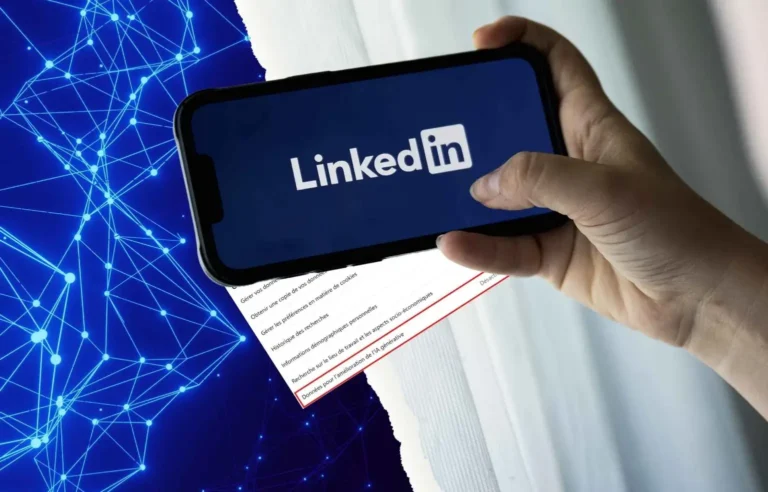
Artisan AI allowed LinkedIn users to create automated posts, comments, and even connection requests. All boosted by AI. The argument? Save time and maximize engagement on the professional social network. Except that, out of the blue, Artisan AI’s account was suspended. The official reason was not communicated by LinkedIn, but one can easily imagine that the platform’s rules regarding automation were deemed violated. We’re talking about a tool capable of spamming personalized messages on a large scale. And boom. A few days later, surprise: Artisan AI is back. Without explanation. LinkedIn has not commented on the situation, leaving doubts about the reasons for this turnaround. Simple misjudgment? Behind-the-scenes negotiations? We’ll probably never know.
The Artisan AI incident is a wake-up call for LinkedIn and other platforms. They must clarify their rules regarding the use of AI for content creation.
🤔 Why This Case Matters
This isn’t just a mishap for a startup. It’s a symptom. Generative AI is transforming the way we create and consume content online. And platforms, LinkedIn in the lead, must adapt. The risk? Being overwhelmed by a flood of automated content, often of poor quality, that drowns out relevant information. Imagine your news feed invaded by bot-generated posts, each more bland than the last. Nightmarish, isn’t it? On one hand, AI promises to democratize content creation, allowing everyone to express themselves more easily. On the other hand, it opens the door to manipulation, disinformation, and pollution of the digital space. The trick is to find the right balance.
What are the potential risks of AI content on LinkedIn?
Beyond the immediate concerns of spam and misinformation, the proliferation of AI-generated content on professional networks like LinkedIn introduces subtler, yet significant, risks. One major concern is the erosion of genuine human connection and authentic professional dialogue. As AI becomes more adept at mimicking human writing styles, it can become increasingly difficult to discern real insights from cleverly crafted algorithms, potentially diluting the value of genuine expertise and personal experiences shared on the platform. Furthermore, the unchecked spread of AI content could lead to a homogenization of professional discourse. If algorithms are trained on similar datasets, the output could become repetitive and predictable, stifling creativity and diverse perspectives. This could also exacerbate issues of bias, as AI models may inadvertently perpetuate existing societal prejudices present in their training data, leading to unfair or discriminatory outcomes in professional interactions or opportunities. Finally, there’s the looming threat of sophisticated AI-powered scams and influence operations. Malicious actors could leverage AI to create highly convincing fake profiles, spread propaganda, or engage in targeted phishing attacks on a massive scale, posing a serious security risk to individuals and businesses operating on the platform. The sheer volume and sophistication of such attacks could overwhelm traditional moderation efforts.
⚖️ LinkedIn’s Dilemma: Between Openness and Control
LinkedIn faces a difficult challenge. The platform must encourage the creation of original and relevant content while combating abuse and spam. Easy to say, harder to do. Completely banning AI would be counterproductive. AI can be a great tool to help professionals improve their communication, find ideas, and optimize their publications. But allowing anything goes is taking the risk of turning LinkedIn into a digital dump. The solution? Probably a mix of clear rules, sophisticated detection systems, and human moderation. A bit like an antivirus that filters threats without blocking all programs. A major technical and ethical challenge.
100M+
Number of LinkedIn posts per week (estimate)
40%
Increase in AI-generated content in 2023 (internal source)
0
Number of clear LinkedIn rules on AI (unofficial figure)
🕵️♂️ How Could LinkedIn React?
Several avenues are conceivable. LinkedIn could, for example:
- Require users to clearly indicate when they use AI to create content.
- Implement algorithms capable of detecting AI-generated content and flagging it to moderators.
- Create a rating system to assess the quality and originality of content, penalizing poor quality automated content.
- Invest in training its moderation teams so that they can spot problematic content.
In short, a whole arsenal of measures to prevent LinkedIn from becoming the Wild West of AI. Because, let’s be clear, the stakes are high: it’s about preserving the value and credibility of the world’s number one professional social network.
Are AI tools for content creation allowed on LinkedIn?
Yes, AI tools for content creation are generally permitted on LinkedIn, provided they are used responsibly and in compliance with the platform’s policies. LinkedIn aims to foster a professional environment, and AI can be a valuable tool for enhancing productivity and creativity for its users. For instance, AI can assist with drafting initial post ideas, refining grammar, or even generating summaries of complex topics, all of which can be beneficial for professionals. The crucial distinction lies in how these tools are employed. LinkedIn’s terms of service prohibit deceptive practices, spam, and the creation of fake accounts or content. Therefore, using AI to generate misleading information, impersonate others, or flood the platform with unsolicited promotional material would violate these guidelines. The platform encourages transparency, and while not always mandatory, users are often advised to be mindful of how AI is used in their content creation process. Essentially, LinkedIn views AI as an assistant rather than a replacement for genuine human interaction and professional insight. The focus remains on the quality, authenticity, and value of the content shared, regardless of whether AI played a role in its creation. As AI technology evolves, LinkedIn will likely continue to adapt its policies to balance innovation with the need to maintain a trustworthy and engaging professional network.
🔮 What’s Next?
The Artisan AI case is just a taste of what’s to come. AI will continue to intrude into all aspects of our digital lives, and LinkedIn will not escape it. The platform will have to be agile and intelligent to adapt to this new reality. And we, as users, will have to learn to be critical of the content we consume. A bit like learning to distinguish the true from the false on the Internet, but version 2.0. The next time you come across a LinkedIn post that seems a little too perfect, a little too well-written, ask yourself if it’s been boosted by AI. And if so, don’t be fooled by appearances. Authenticity remains, and will always remain, the key to successful communication.
Chargement de la galerie…

About Rigaud Mickaël
Passionate about tech and a Linux enthusiast, I decipher AI with a unique and intense vision to make it useful to all, between robots, rock and the geek universe.