

📋 Table of Contents
Source Code, the New AI Playground
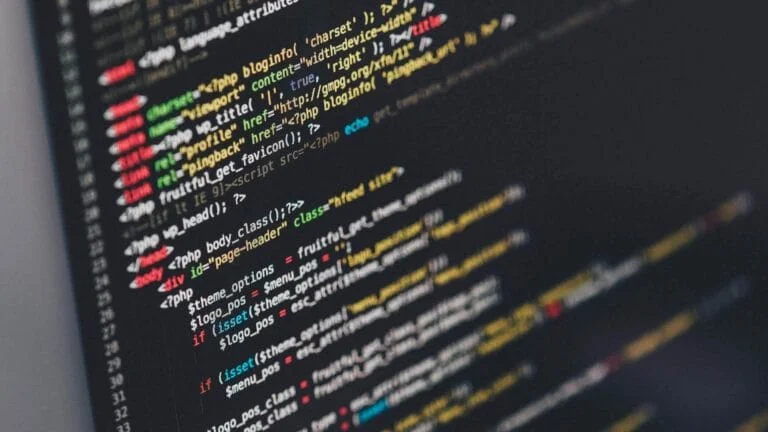
Tools like GitHub Copilot, powered by generative AI models, can now suggest entire lines of code, or even complete functions. For developers, this is a revolution: no more reinventing the wheel for every little task. Imagine Alex, a developer at a Parisian startup: before, he spent hours searching for code snippets on Stack Overflow. Now, Copilot offers him real-time solutions. The time savings are colossal. The result? Unprecedented development acceleration. The benefit is twofold. On one hand, developers can focus on more complex problems, business logic, and innovation. On the other, AI can help produce cleaner, more efficient code by suggesting proven practices. It’s a bit like having a super-experienced mentor whispering good ideas to you.
What About Free Software?
Free software is built on principles of sharing, transparency, and collaboration. Its source code is publicly accessible, allowing anyone to study, modify, and redistribute it. This is where the shoe pinches. These generative AIs, like Copilot, are trained on vast amounts of code, including free software code. The burning question: do these models learn and reproduce free code without respecting its licenses? The answer is complex, and the debate is raging. Some see these AIs as a natural extension of the open-source spirit: a tool that learns from the community to serve it better. Others fear a dilution of the free software ethos. They worry that companies might appropriate entire chunks of free code, reintegrate them into proprietary products without adequate attribution, and thus violate the original licenses. It’s a bit like someone using your secret recipe to open a competing restaurant, without ever mentioning you.
When AI Becomes a Double-Edged Sword
The main problem lies in the AI’s black box. We don’t always know exactly how a model learned a specific piece of code. Did it simply learn a general pattern, or did it copy an entire sequence from a restrictively licensed project? If so, the AI user might unknowingly find themselves in violation. Imagine: Léa, a young developer passionate about free software, uses Copilot for an open-source project. The AI suggests a piece of code that, unbeknownst to her, is an exact copy of code under a restrictive license. She integrates it without realizing. The result? Her project, intended to be completely free, becomes illegally proprietary. The trap is subtle. This dilemma forces developers into a tough choice: take advantage of the undeniable efficiency of these tools, or remain true to the ethical principles of free software and potentially slow down their productivity. It’s a bit like choosing between immediate ease and long-term rigor.
The Community Reacts: Towards “Ethical” AI?
Faced with these concerns, the free software community isn’t standing idly by. Projects are emerging to offer coding assistance AIs that fully comply with free licenses. These models are specifically trained on permitted free code corpora, and their outputs are supposed to strictly adhere to license terms. The goal? To offer the best of both worlds: AI efficiency without compromising core free software values. Others advocate for a more pragmatic approach. They suggest that developers systematically check AI-generated code, ensuring it doesn’t contain portions too similar to restrictively licensed sources. A kind of human “quality control” to mitigate potential automation abuses. It’s akin to checking a product’s label before buying it, to ensure its origin and compliance.
✅ Advantages of AI in Coding
⚠️ Disadvantages and Risks
The Future: Forced Collaboration or Digital Divide?
The question is no longer whether AI will transform software development, but how. The integration of these tools into open-source workflows is inevitable. The major challenge is finding a balance. How do we ensure AI serves the free software ideal, rather than undermining it? Major players in the free software world, like the Free Software Foundation, are calling for increased vigilance and advocating for transparent, ethical AI tools. They emphasize the need to control training data and guarantee that generated code respects licenses. It’s like wanting to build a skyscraper: you need solid materials and good design, but also a clear plan that respects zoning laws. Ultimately, AI could well become a powerful catalyst for free software, helping it develop faster and innovate. But this will require evolving practices, continuous developer education, and perhaps even a redefinition of what it means to “share” and “collaborate” in the digital age. AI is a revolution in progress; free software must find its place in this new equation. In five years, we might look back at this period as when we had to relearn how to code ethically. One thing is certain: ignoring AI today is like ignoring the steam engine in the 19th century.

About Rigaud Mickaël
Passionate about tech and a Linux enthusiast, I decipher AI with a unique and intense vision to make it useful to all, between robots, rock and the geek universe.