
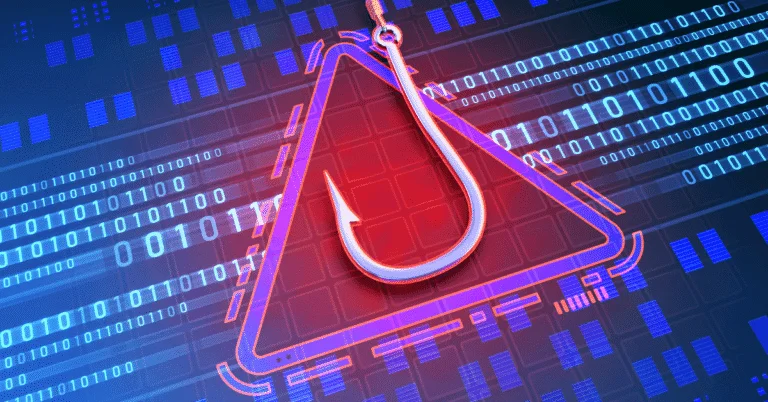

In March 2026, France is hit by a massive wave of these new-generation AI Scams, often manifesting as “postal phishing” attacks. Scammers no longer rely on impersonal texts. They leverage AI to create ultra-realistic photos of packages, sometimes directly personalized with the victim’s information. This sophistication marks a major turning point in cybercrime. Detection by traditional security filters becomes a real headache, as each image is unique and unlisted, making the trap almost undetectable to the untrained eye.
Images: A Stunning Weapon of Persuasion
Gone are the days of easily spotted scam texts. Today, people receive visuals of supposedly blocked packages, photographed in credible warehouses. These images aren’t stolen from the web; they are entirely generated by algorithms, sometimes incorporating the exact first and last names of the targeted individual. The modus operandi is surgically precise. A message alerts of an undelivered package due to an unreadable address or damaged box. The included link leads to a mirror site, a perfect copy of official carriers like La Poste or Chronopost.
Key Warning: The Micro-Payment Tactic
The fraudulent site requests “updating” contact details then demands small re-shipping fees, often between $0.50 and $2.00. This paltry amount is a lure to obtain the victim’s full banking information.
This is where the trap closes: once banking details are entered, fraudsters have carte blanche to empty accounts. AI has made visual phishing so convincing that it’s difficult to resist the urge to “resolve the issue.”
Personal Data: The Trap Tightens
The danger of these AI Scams further increases in 2026, as the trap tightens with each new layer of personalization. Cybercriminals often possess victims’ real physical addresses even before sending the SMS. This precision is the result of massive data breaches at logistics providers in late 2025. As a result, messages become ultra-personalized: “I stopped by [your address], but I had no information.” The integration of these details into an AI-automated message boosts the fraud’s success rate. Internet users’ usual vigilance is severely tested in the face of such apparent truth.
These figures, taken from Cybermalveillance.gouv.fr’s March 2026 newsletter, show the extent of the phenomenon. Generative AI allows networks to disseminate thousands of image and text variants in the blink of an eye, targeting all age groups. The “proof” visual acts as a psychological trigger, prompting immediate action.
AI: The Fraudsters’ Invisible Asset
Artificial intelligence erases the historical weakness of scammers: language errors. Messages, written in impeccable French, remove the first warning sign. Gone are the days of “hello dear customer, your package is awaiting.” Image generators are repurposed to create shipping labels with familiar logos, increasing credibility. Clearly, “phishing-as-a-service” kits, rented on the darknet, are behind these operations. This is the industrialization of fraud, made accessible even to the less tech-savvy.
✅ AI in Service of Fraud
⚠️ Challenges for Victims
AI even adjusts the message’s tone based on the sending time to match delivery drivers’ routes. This level of sophistication disrupts the vigilance reflexes acquired over the years.
What are AI-powered package scams?
AI-powered package scams represent a new frontier in online fraud, where artificial intelligence is used to create highly convincing and personalized deceptive communications related to package deliveries. These scams move beyond simple phishing emails to encompass a range of tactics, including AI-generated fake websites that mimic legitimate shipping companies, AI-voiced phone calls impersonating delivery agents, and even AI-generated images of packages or delivery vehicles to add a layer of visual authenticity. The goal is to exploit the common experience of online shopping and package tracking to lure victims into revealing sensitive information or sending money.
How to Defend Against These New Traps?
Despite the stunning quality of AI-generated images and texts, clues remain for the discerning eye. Remain skeptical of any unexpected request, even if it seems perfectly credible.
- Check the sender: An official carrier will never request payment via SMS for an address error. Numbers from unknown or suspicious mobile prefixes for package notifications are often suspicious.
- Use official channels: If in doubt, log in directly to the carrier’s official website (e.g., USPS, FedEx, UPS) via your browser, and not through a link received via text message.
- Beware of micro-payments: Any request for payment, no matter how small, to “regularize” a delivery is a red flag.
- Pay attention to URLs: Always check the website address. Fake sites often have slightly different domain names (ex: usps.com.delivery instead of usps.com).
AI elevates fraud, particularly AI Scams, to an art form. Our best defense? A healthy dose of digital skepticism and knowledge of real postal service practices. The game has only just begun.
Chargement de la galerie…

About Rigaud Mickaël
Passionate about tech and a Linux enthusiast, I decipher AI with a unique and intense vision to make it useful to all, between robots, rock and the geek universe.