
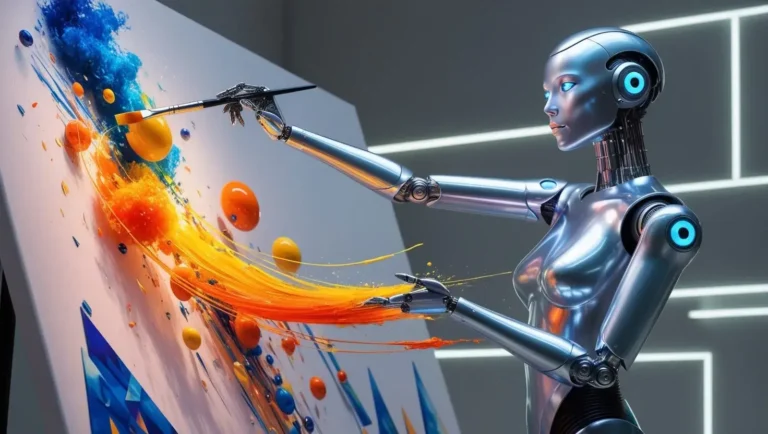

At the heart of this frantic race, OpenAI’s models, such as DALL-E 3, maintain a significant lead. Their ability to understand complex prompts and generate images with stunning narrative coherence secures their leadership position. Hot on their heels, Google and its own algorithms are sharpening their tools, promising deeper integration into their respective ecosystems. But make no mistake: second place is a merciless battlefield. Bold players are vying for every market segment, each bringing their unique touch. From cinematic realism to artistic experimentation, the choice is vast, and performance is far from the only criterion.
| AI Tool | Strengths & Aesthetic | Censorship Level | Target User |
|---|---|---|---|
| DALL-E 3 (OpenAI) | Surgical text comprehension, ChatGPT integration. | High | Marketing, concept art, general consumers. |
| Midjourney | Strong artistic aesthetic, photographic realism. | Moderate | Illustrators, artists, designers seeking style. |
| Stable Diffusion | Open-source, extreme customization, local installations. | Low to None | Developers, technical experts, experimenters. |
| Adobe Firefly | Ethical retouching and integration with Adobe tools. | Strict | Photographers, graphic design professionals. |
| Leonardo.ai | Pre-trained models, consistent character generation. | Moderate | Game developers, 3D asset creators. |
This table is merely a snapshot. The thing is, performance of AI Image Generators evolves at lightning speed. What was cutting-edge six months ago is already outdated. Developers are juggling new architectures, massive training datasets, and increasingly refined diffusion algorithms for these generative image tools. And boom, quality takes a leap. This technological arms race raises fundamental questions. Beyond the perfect image, there’s the issue of ethics, potential biases, and intellectual property. Who owns the generated image? How can we ensure it doesn’t reproduce stereotypes? These technical and moral challenges are at the heart of industry discussions.
✅ Pros
⚠️ Cons
What are the key differences between popular AI image generators like DALL-E 3 and Midjourney?
DALL-E 3 and Midjourney, while both leading AI image generators, cater to distinct user needs and excel in different aspects of image creation. DALL-E 3, developed by OpenAI and often integrated with ChatGPT, is renowned for its exceptional ability to interpret complex, nuanced text prompts with remarkable accuracy, often generating images that precisely match intricate descriptions, including legible text within the image itself. This makes it particularly powerful for commercial applications, detailed scene generation, and scenarios where precise control over elements and text is paramount. Midjourney, on the other hand, is celebrated for its distinctive artistic flair and unparalleled aesthetic quality, often producing images with a cinematic, painterly, or highly stylized look that appeals strongly to artists and designers seeking evocative visuals. While its prompt interpretation might be less literal than DALL-E 3’s, it excels at transforming abstract concepts into visually stunning and often surreal compositions, making it a favorite for concept art, mood boards, and projects where artistic expression takes precedence over strict adherence to textual detail. The choice between them often boils down to whether a user prioritizes precise textual control and factual accuracy (DALL-E 3) or a unique, high-fidelity artistic style (Midjourney).
For Marc, the CEO of a Paris advertising agency, AI Image Generators are a Swiss Army knife. They streamline processes, reduce costs, and foster continuous innovation, allowing teams to quickly customize visuals. But he knows that human talent remains essential to guide AI, to imbue it with soul and artistic direction. That’s where collaboration truly comes into its own. So, what does the future hold for these generative image tools in 2026 and beyond? Likely increased specialization, even more integrated tools, and ever more intuitive interfaces. AI won’t replace human creativity, but it will transform it profoundly. The screen flickers. It’s 2:37 PM. And the next image, what will it be? Ultimately, the real question is no longer which tool is the ‘best’ today, but how we, as humans, will learn to dance with these artificial intelligences. For the brush may be digital, but the vision remains distinctly human.
Companies investing heavily in multimodal AI, combining text-to-image with video and 3D generation capabilities, are positioning themselves for long-term growth in visual creation AI. Furthermore, the open-source community, exemplified by models like Stable Diffusion, continues to democratize access and foster open-source customization, potentially challenging proprietary solutions. Ultimately, the generator that best balances cutting-edge capabilities with user-friendliness, ethical considerations, and robust API integrations will likely capture the largest share of both professional and casual users.
Which AI image generator is leading the market in 2026?
Predicting a definitive market leader for AI image generators in 2026 is challenging, given the rapid pace of innovation and the dynamic competitive landscape. While DALL-E 3, integrated into ChatGPT Plus, and Midjourney currently boast significant user bases and strong brand recognition, emerging players and new technological breakthroughs could easily shift the balance. Factors like integration into broader creative suites, accessibility for diverse user skill levels, and the ability to generate highly specialized content will play crucial roles in determining future dominance.
Chargement de la galerie…

About Rigaud Mickaël
Passionate about tech and a Linux enthusiast, I decipher AI with a unique and intense vision to make it useful to all, between robots, rock and the geek universe.