

The Curtain Falls for ChatGPT-4o
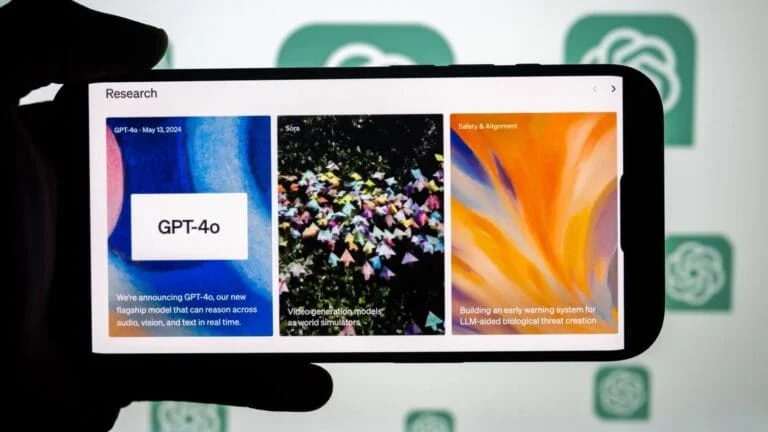
February 13, 2026, marks a turning point for OpenAI. On that day, we’ll have to bid farewell to ChatGPT-4o, as well as its variants 4.1, 4.1 mini, and o4-mini. Far from being a mere update, this is a definitive shutdown, a decision that will undoubtedly disrupt the habits of many of us. Upon the launch of the highly anticipated ChatGPT-5, OpenAI initially gambled on deactivating the entire 4th generation. A technical move, aimed at streamlining and fluidifying the user experience. However, this calculation overlooked a human factor: the unique relationship millions of users had forged with the 4o model. Faced with widespread discontent, the company had to temporize, keeping it alive for a few more months. And now, everything is shifting again.
⏪ Before
OpenAI deactivates 4th generation models upon ChatGPT-5’s launch, hoping for radical simplification.
⏩ After
Due to user demand and attachment, the ChatGPT-4o model is temporarily maintained, deviating from the initial strategy.
Why This Digital Sacrifice?
The reason for this decision is cold and relentless: the numbers. OpenAI states on its blog that 99.9% of its approximately 900 million users now prefer the ChatGPT-5.2 model over 4o. For the AI giant, maintaining older systems became dead weight. It cluttered its interface and unnecessarily burdened its servers. A painful choice, but economically and technically logical, much like replacing a beloved car with a more efficient and less resource-intensive model. As of February 13, the language model selector on all platforms (computer, smartphone, browser) will offer a restricted but optimized menu, geared towards performance and efficiency:
- Auto: The system automatically chooses the most suitable algorithm.
- Instant: ChatGPT-5.2 Instant, the speed-prioritizing model.
- Thinking: A “reasoning” model, capable of refining the relevance of responses.
- Legacy: “Legacy” models, including ChatGPT-5.1 Instant, Thinking, or o3.
- Pro: Exclusive to ChatGPT Pro subscribers, offering access to the most advanced model.
The departure of 4o also marks the end of a certain digital “personality.” Many internet users lamented the new model’s colder and more “practical” tone, sharply contrasting with its predecessor’s warmer and friendlier approach. Does efficiency always override experience and emotional connection? The question remains.
OpenAI Under Pressure: An Uncertain Future
The coming months promise to be particularly intense for OpenAI. The battle for AI supremacy is fierce. Google, with its Gemini 3, has clearly scored points, shaking up the market. According to the latest SimilarWeb figures, only the Mountain View search engine saw its usage significantly increase last year. ChatGPT, meanwhile, is losing ground and, frankly, an enormous amount of money. The company recently reneged on its promise not to integrate advertising into its conversational agent. The pressure on leadership is palpable. To try and regain momentum, OpenAI is banking on the imminent launch of its “adult mode.” This mode is supposed to unleash certain ChatGPT capabilities on topics currently considered taboo. A slippery slope. The company is already under fire, accused of encouraging risky behaviors among teenagers or individuals with mental health conditions. It’s akin to wanting to increase a car’s top speed without reinforcing the brakes. The danger is very real. The horizon of Sam Altman’s promises regarding the creation of “general artificial intelligence” (AGI) seems to be constantly receding. Each new iteration, whether ChatGPT-6 or a future Gemini 4, only temporarily pushes the boundaries in an endless race. And then there’s the aggravating detail: ChatGPT starting to cite Grokipedia, Elon Musk’s digital encyclopedia, known for its revisionist tendencies. This shift raises serious questions about the reliability and impartiality of the sources feeding our future assistants. An unexpected plot twist.
What if the Real Challenge Lies Elsewhere?
So yes, we’re saying goodbye to ChatGPT-4o. But it’s not just a model that’s fading away; it’s also a reflection of an industry in perpetual pursuit of profitability, juggling unbridled innovation with ethical imperatives. What if the real challenge isn’t the raw power of the next algorithm, but our collective ability to choose the digital “personalities” that accompany us, and to prevent pragmatism from erasing all forms of nuance or “warmth” from our interactions? It’s a bit like deciding whether you prefer an ultra-efficient barista or one who remembers your name and favorite drink. The future of AI, perhaps above all, is a story of human choices.
Chargement de la galerie…

About Rigaud Mickaël
Passionate about tech and a Linux enthusiast, I decipher AI with a unique and intense vision to make it useful to all, between robots, rock and the geek universe.