




















Publié : 5 December 2025
Actualisé : 2 days ago
Fiabilité : ✓ Sources vérifiées
Je mets à jour cet article dès que de nouvelles informations sont disponibles.
📋 Table of Contents
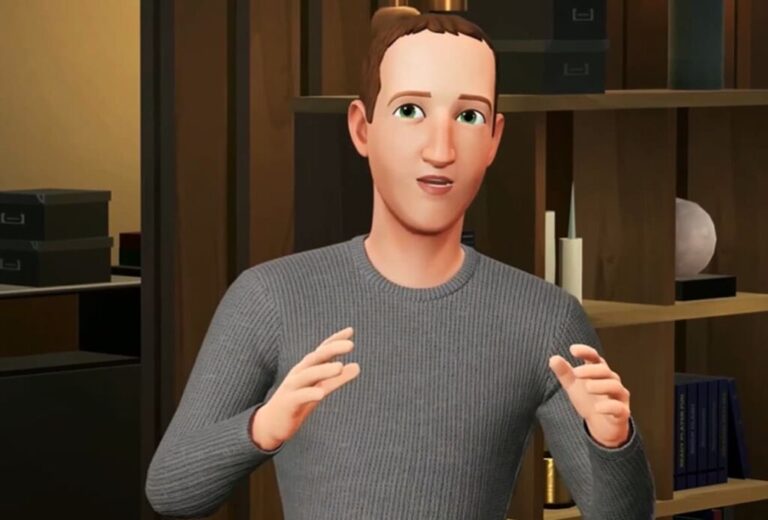
In 2021, Meta (formerly Facebook) made a significant bet on the metaverse, an immersive digital universe presented as the future of social interaction and commerce. Mark Zuckerberg, self-proclaimed visionary, saw it as a digital El Dorado. Four years and $50 billion later, the reality is stark: Meta is drastically reducing its investments in this project, a sign that the dream has turned into a financial nightmare. So, a simple tactical retreat or a crushing admission of failure?
🤖 The Great Metaverse Disenchantment
Meta’s metaverse, embodied by Horizon Worlds and Meta Quest VR headsets, never really took off. Far from the expected enthusiasm, users shunned this virtual space, perceiving it as an improved Second Life, but still artificial and unengaging. The numbers speak for themselves: Meta is reducing budgets allocated to these projects by 30% for 2026, a radical decision that comes with massive layoffs within the teams involved.
Key Point: Meta’s metaverse failed to win over the general public, despite colossal investments.
According to Bloomberg, Zuckerberg himself reportedly admitted to overinvesting in a market that only interests him. A resounding admission of failure, which was greeted by investors: Meta’s stock jumped 4% after the announcement of this strategic reorientation. It seems that even the chief visionary finally opened his eyes to the reality on the ground.
💰 AI, Meta’s New Horizon
The funds saved by reducing investments in the metaverse will be reinvested in research and development of artificial intelligence. A much more promising area, where competition is fierce, but where Meta still has a card to play. The integration of Meta AI into the group’s applications (Instagram, WhatsApp, Messenger) demonstrates this desire to position itself as a major player in AI.
However, the road is long to compete with industry giants like OpenAI (ChatGPT) and Google (Gemini). Meta seems to be banking on a hardware approach, notably with its connected glasses, to differentiate itself and offer a unique user experience. It remains to be seen whether this strategy will bear fruit.
👓 Connected Glasses, Meta’s New Bet
Meta Ray-Ban Wayfarer (Gen 2) connected glasses embody this new orientation. They offer a glimpse of the future imagined by Meta, a future where AI is discreetly integrated into our daily lives. These glasses allow you to take photos and videos, listen to music, make calls and interact with virtual assistants, all while keeping your hands free.
However, the success of these glasses will depend on their ability to convince consumers of their usefulness and discretion. There is a great risk of seeing these gadgets become objects of curiosity, quickly forgotten in a drawer. Meta will therefore have to redouble its efforts to democratize this technology and make it accessible to as many people as possible.
📉 Metaverse: Trend or Premature Vision?
Meta’s about-face raises an essential question: was the metaverse a simple passing fad or a vision too far ahead of its time? It is possible that the technology is not yet mature enough to offer an immersive and engaging user experience. VR headsets are still bulky and expensive, and creating content for the metaverse remains a major challenge.
| Project | 2025 Budget (estimated) | 2026 Budget (projected) | Change |
|---|---|---|---|
| Horizon Worlds | XX billion $ | YY billion $ | -30% |
| Meta Quest (VR) | ZZ billion $ | AA billion $ | -30% |
| AI Research | BB billion $ | CC billion $ | +XX% (estimated) |
It is also possible that the very concept of the metaverse does not meet a real need of consumers. Social interactions online are already well established, and it is difficult to imagine why people would prefer to meet in a virtual world rather than in the real world.
Important: The future of the metaverse remains uncertain. It is possible that the technology will evolve and that consumer interest will manifest in the future. However, for now, Meta’s dream seems to be fading.
Only the future will tell us if Meta was right to revise its ambitions downwards. One thing is certain: the road to the metaverse will be long and fraught with pitfalls.
❔ Frequently Asked Questions
Is Meta completely abandoning the metaverse?




0 Comments