














Publié : 22 October 2025
Actualisé : 1 month ago
Fiabilité : ✓ Sources vérifiées
Je mets à jour cet article dès que de nouvelles informations sont disponibles.
🤖 The Digital Doppelgänger Nightmare is Here
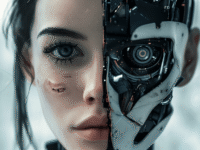
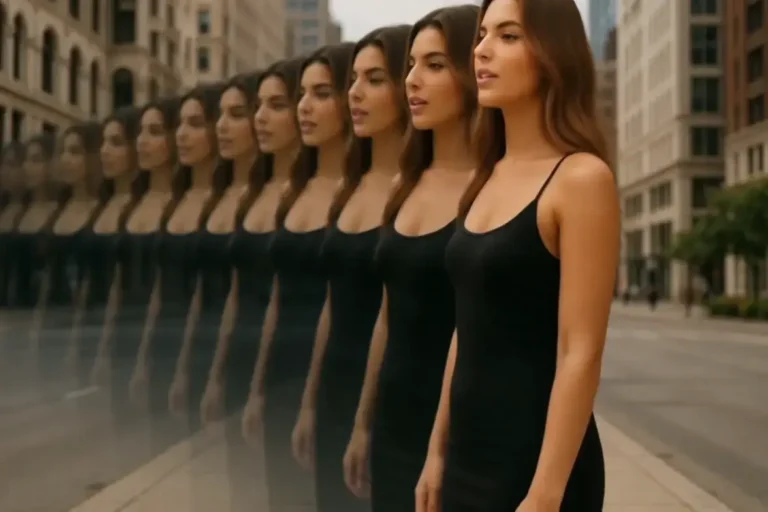
Imagine this for a second. You stumble upon a YouTube video. It’s your face, your voice, your mannerisms… but the words coming out of your mouth aren’t yours. Worse, they’re being used to promote a scam or spread disinformation. This science fiction scenario is now a daily reality for a growing number of creators. Their digital doubles, generated by artificial intelligence, are swarming the platform, sowing chaos and confusion.
Faced with this tide of malicious clones, the pressure was mounting on YouTube. How would the video giant protect the very people who make its platform thrive? The answer has just arrived, and it’s called “Resemblance Detection .” It’s an enticing promise, but a closer look reveals something that feels more like a mop for a tidal wave than a proper sea wall.
🛡️ YouTube to the Rescue? Meet “Resemblance Detection”
On paper, the idea is simple. YouTube gives you a tool to spot impersonators. To access it, you head to the YouTube Studio. There, a setup process awaits. And this is where the first issue appears. To prove you are you, you have to show your papers: provide a copy of your ID and record a short selfie video so the algorithm can analyze and memorize your facial features.
The key takeaway: To protect your digital identity, you first have to hand even more of it over to YouTube, providing an ID and a facial scan. A paradox that speaks volumes about the current situation.
Once this step is complete, the machine gets to work. YouTube scans the platform and presents you with a list of videos, posted by other channels, where your face seems to appear. The results are even sorted by popularity to help you tackle the most urgent cases first. Handy, right? Just wait.
🤔 A Good Idea Hiding a Forest of Problems
This is where the dream of a magic-bullet solution falls apart. The tool can’t distinguish between a malicious deepfake , a legitimate clip of your video used in a review, or a simple parody edit. The burden of analyzing and sorting falls entirely on you. You become the sheriff of your own digital identity, and it’s a full-time job.
The real issue is that the platform delegates the burden of hunting down AI clones to the creators themselves. A Sisyphean and endless task.
And even if you find a perfect clone, don’t expect an “instant delete” button. You have to submit a report, which will then be reviewed by a human moderator at YouTube. This person will decide, based on a rather vague set of criteria (parody, satire, realism…), whether the video should be taken down. In short, you’re given a metal detector but left to dig with a teaspoon, with no guarantee of finding treasure at the end.
🎭 YouTube’s Double Game
The most ironic part of all this? While YouTube is deploying tools to fight AI videos, its parent company, Google, is investing billions in developing AI video generators like Veo. It’s a bit like a firefighter selling matches and gasoline at their other shop. This balancing act is untenable and shows that the problem runs much deeper.
Important: The problem isn’t deleting clones one by one, but stemming the tide at its source. As long as creating deepfakes is this easy and accessible, detection tools will only be band-aids on a hemorrhage.
Ultimately, “Resemblance Detection” is an admission. An admission that YouTube is overwhelmed, and that instead of building real ramparts, the company prefers to hand out shovels to its users, hoping they’ll dig the trenches themselves. It’s a first step, yes, but it’s so timid that it feels more like a PR move to calm nerves than a sustainable solution.
📊 The Anti-Clone Tool at a Glance
To get a clearer picture, here’s what you need to know about this new feature.
| Characteristic | Description |
|---|---|
| Feature | Resemblance Detection |
| Goal | Identify videos using your face (especially via AI) without permission. |
| Method | The creator enrolls, scans their face, then reviews a list of matches. |
| Action Required | Manual reporting, followed by a review from YouTube’s teams. |
| Guaranteed Success? | No, removal is not automatic and depends on a human decision. |
❔ Frequently Asked Questions
How does this new anti-clone tool actually work?
So if I find a video that’s a clone of me, can I have it taken down immediately?
🎥 Explanatory Video
Video automatically selected




0 Comments